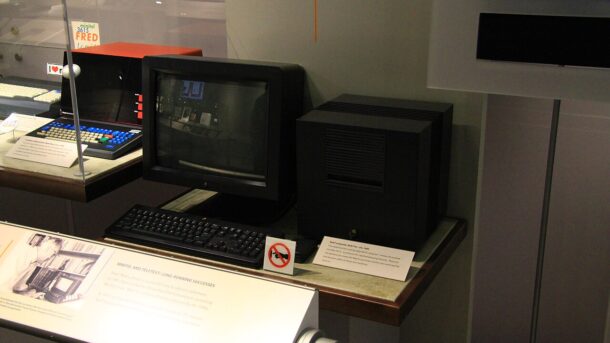
On September 18, 1989, Steve Jobs’ company NeXT shipped version 1.0 of NeXTSTEP, the operating system built for its striking black-cube NeXT Computer — and one that would end up shaping Apple’s future far more than anyone expected at the time.
NeXTSTEP was ahead of its era: a Unix-based, object-oriented, multitasking operating system with a development environment that made it unusually easy to build polished, complex applications quickly. The New York Times famously called it “Macintosh on steroids.” NeXT computers themselves were a commercial disappointment, too expensive for the market Jobs was chasing — but the software underneath them had staying power. Tim Berners-Lee built the first web browser and web server on a NeXT machine, and when Apple was searching for a modern foundation to replace the aging classic Mac OS in the mid-1990s, it bought NeXT in 1997, bringing Jobs back to Apple in the process.
That acquisition made NeXTSTEP’s DNA the base of Mac OS X, and by extension iOS, iPadOS, and everything else Apple has shipped since — meaning the operating system running on an iPhone today traces its lineage directly back to this 1989 release.
Source: Cult of Mac, Wikipedia
Daily Tech History is a running series looking back at notable moments in technology on this date.