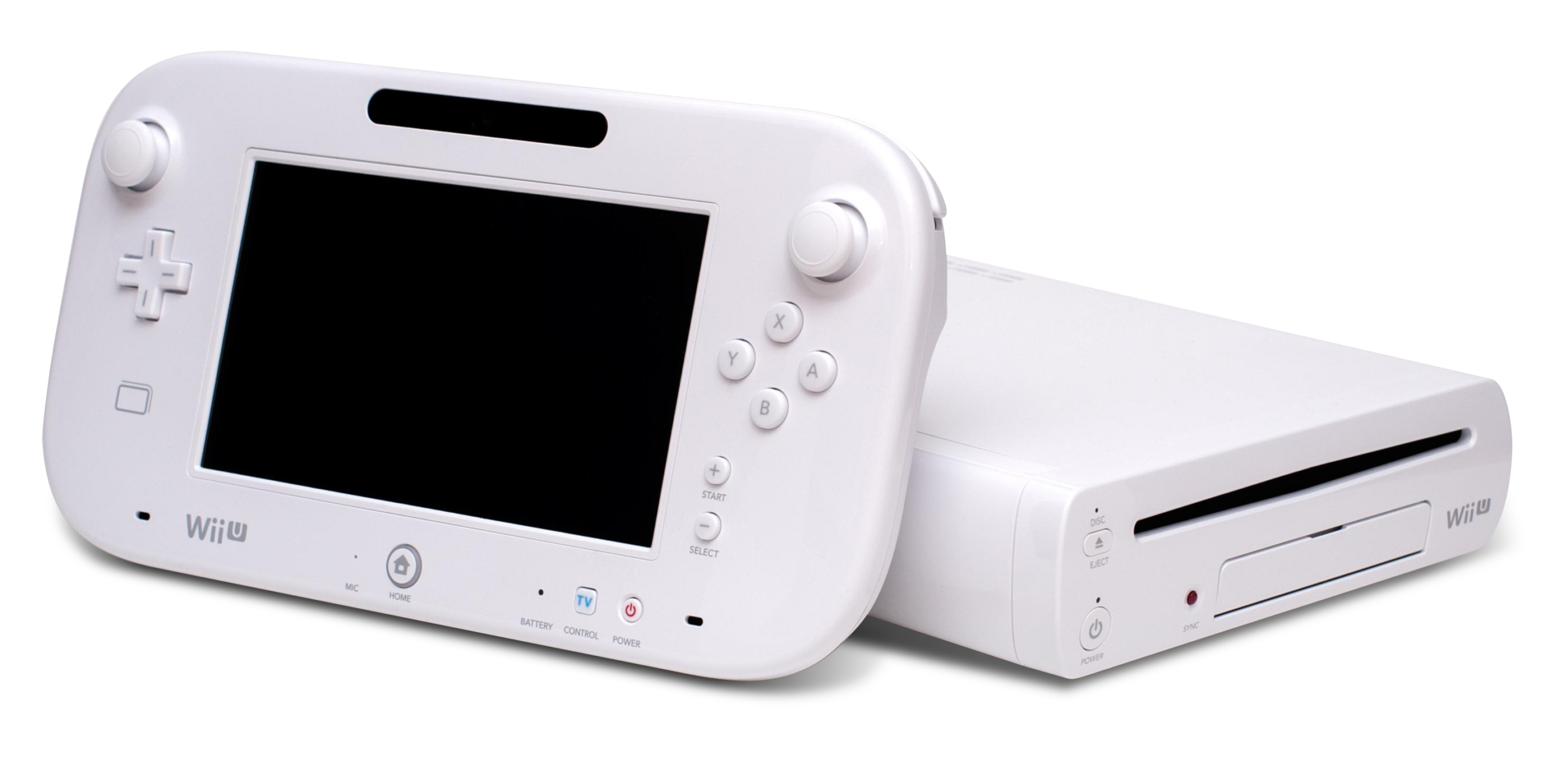
On November 18, 2012, Nintendo launched the Wii U in North America, kicking off the company’s follow-up to the wildly successful Wii. The console shipped in two configurations — a $299.99 white 8GB “Basic” set and a $349.99 black 32GB “Deluxe” set bundled with Nintendo Land — and sold out in many stores within hours of going on sale.
The Wii U’s defining feature was the GamePad, a tablet-sized controller with its own screen that let players move gameplay off the TV entirely or use asymmetric “second-screen” mechanics unique to each game. It was a genuinely novel idea, but it also confused a lot of shoppers, many of whom mistook the Wii U for an accessory for their existing Wii rather than a new, separate console. That branding stumble, combined with a thin launch lineup, made for a rocky start the Wii U never fully recovered from — Nintendo would go on to sell around 13.5 million units over the console’s lifetime, a fraction of the Wii’s 100-plus million. Still, the Wii U mattered: its GamePad concept and a number of its games (including the first Breath of the Wild) laid groundwork that Nintendo refined into the Switch just a few years later.
Also on this day: November 18, 1970 is widely cited as the date a 15-year-old Bill Gates began programming at Seattle’s Lakeside School, gaining access to a PDP-10 computer through the student-run Lakeside Programmers Group — though some biographical accounts place his earliest programming experience slightly earlier, in 1968.
Source: Engadget
Daily Tech History is a running series looking back at notable moments in technology on this date.
Leave a Reply
You must be logged in to post a comment.