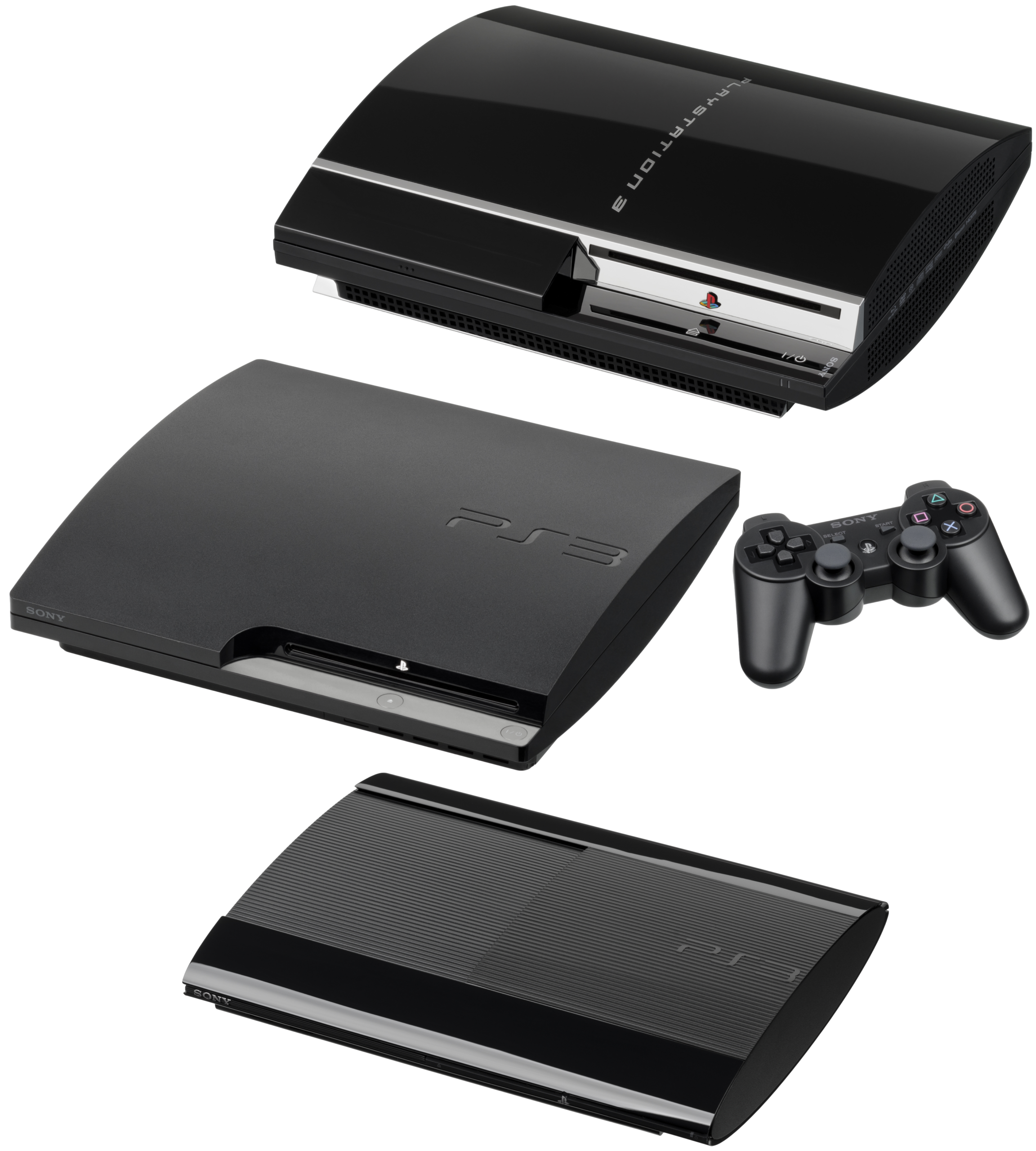
On November 11, 2006, Sony launched the PlayStation 3 in Japan, kicking off the rollout of its third home console and, with it, one of the more bruising hardware launches in gaming history. The console shipped in two configurations, a 20GB and a 60GB model, and sold around 81,000 units in its first 24 hours on shelves domestically. North America would get its turn less than a week later, on November 17, while European and Australian buyers had to wait until March 2007 after a shortage of Blu-ray diode material forced Sony to delay that launch.
The PS3’s defining feature was baked into its name: Sony bet heavily that Blu-ray, not the rival HD DVD format, would become the next standard for high-definition video, and it used the console as a Trojan horse to get Blu-ray players into millions of living rooms. The gamble worked, helping tip the format war in Blu-ray’s favor within a couple of years. Under the hood, the PS3 ran on the Cell microprocessor, a joint effort between Sony, Toshiba, and IBM that was unusually powerful but notoriously difficult for developers to program for, a complexity that contributed to a rocky first couple of years for the console’s game library and to a launch price of $499 to $599 that drew plenty of criticism at the time.
Also worth noting: this was the opening move in a console generation that would eventually see the PS3 sell over 87 million units worldwide and outlast its original price tag’s bad press, going on to anchor a decade of exclusives before the PS4 arrived in 2013.
Source: Wikipedia, Sony Interactive Entertainment press release
Daily Tech History is a running series looking back at notable moments in technology on this date.
Leave a Reply
You must be logged in to post a comment.