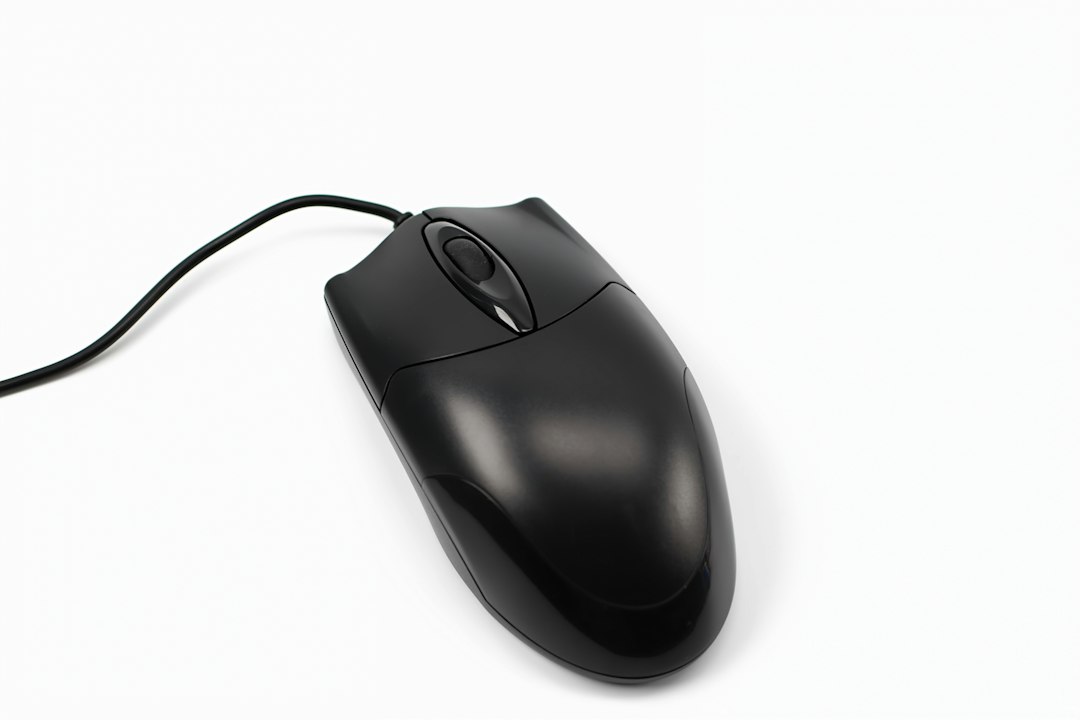
On November 17, 1970, Douglas Engelbart was granted U.S. Patent No. 3,541,541 for an “X-Y Position Indicator for a Display System” — the formal, decidedly unglamorous name for what the world would come to know as the computer mouse. Engelbart had filed the patent back in 1967, years after he and colleague Bill English first built the device out of a wooden shell with two perpendicular wheels at Stanford Research Institute in the mid-1960s. Notably, the word “mouse” never actually appears anywhere in the patent text.
The invention didn’t reach the public in a meaningful way until Engelbart’s legendary 1968 “Mother of All Demos,” where he showed off the mouse alongside hypertext, video conferencing, and collaborative editing — ideas so far ahead of their time that the room reportedly struggled to process what it was watching. The patent itself expired in 1987, just a few years before mice became standard equipment on nearly every personal computer thanks to the graphical interfaces of the Macintosh and Windows. Engelbart, who assigned the patent to SRI, never earned royalties from the device that reshaped how humans interact with computers; SRI licensed the mouse technology to Apple for a reported $40,000 in the early 1980s.
Also on this day: November 17, 1999 saw the launch of Slashdot, the “News for Nerds” community site that became an early hub for tech discussion and, for a time, a notorious source of traffic spikes so large that getting linked from its front page earned a website the nickname “the Slashdot effect.”
Source: TechRadar
Daily Tech History is a running series looking back at notable moments in technology on this date.
Leave a Reply
You must be logged in to post a comment.