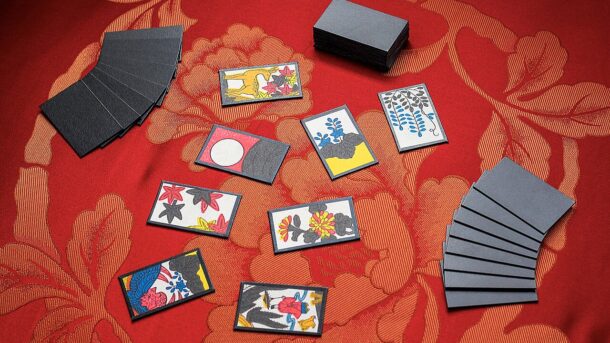
On September 23, 1889, Fusajiro Yamauchi opened a small shop in Kyoto, Japan, and founded what would eventually become Nintendo. The business wasn’t making video games or consoles — it was making hanafuda, traditional Japanese playing cards, by hand. Yamauchi cut and printed the decks himself using mulberry bark, clay, and a wood-block press he built, and his most popular early design, the Daitōryō deck, was easy to spot thanks to an illustration of Napoleon on the back.
The timing worked in his favor. Japan had eased its gambling restrictions a few years earlier, which meant hanafuda cards were legal again and in demand at the clubhouses where people played. Yamauchi built relationships with dozens of these clubs, which needed fresh decks regularly to keep games honest, and later expanded into Western-style playing cards, becoming the only domestic Japanese maker of them. By the time he retired in 1929, the company was the largest playing-card manufacturer in Japan — decades before it ever touched a toy, let alone a Game Boy or a Mario game.
It’s a useful reminder that some of the biggest names in tech didn’t start anywhere near technology. Nintendo spent over 70 years as a card and toy company before pivoting into arcade games and home consoles in the late 1970s and 1980s, a shift that eventually turned a Kyoto card shop into one of the most recognizable entertainment companies in the world.
Source: Wikipedia — Fusajiro Yamauchi, EDN — Nintendo is founded, September 23, 1889
Daily Tech History is a running series looking back at notable moments in technology on this date.