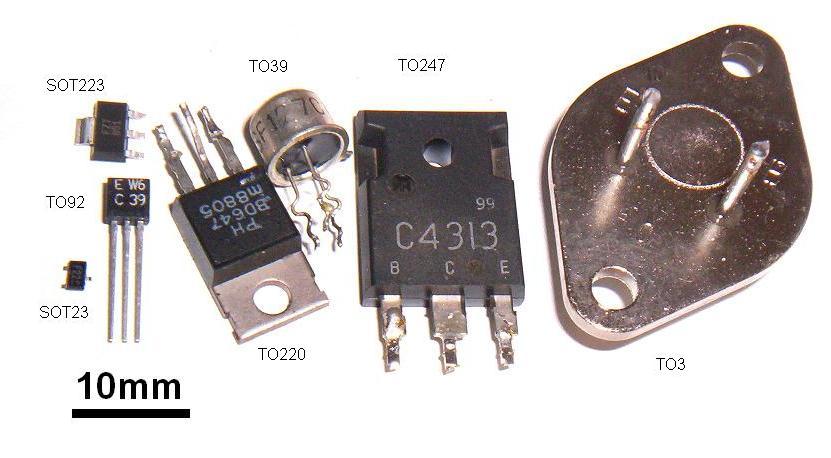
On October 3, 1950, the U.S. Patent Office issued patent 2,524,035 to John Bardeen and Walter Brattain of Bell Labs for a three-electrode circuit element built from semiconductor material. It was the paper trail for the transistor, the small device that would replace the vacuum tube and eventually make the modern chip possible.
The invention was simple in concept but hard to make work. Bardeen and Brattain pressed two closely spaced gold contacts onto a small slab of high-purity germanium, held in place with a plastic wedge. A small signal on one contact changed the current flowing through the other, which meant the device could amplify a signal. The team had its first working amplifier in December 1947, and Bell Labs announced the device publicly in June 1948. The patent came more than two years after the lab demonstration, which is why the date on the patent is not the date of the discovery.
The patent was a big deal for the electronics business. Transistors were smaller, cooler, and more reliable than tubes, and they paved the way for pocket radios in the 1950s and, later, integrated circuits and microprocessors. The name “transistor” was coined by John Pierce at Bell Labs, a blend of “transfer” and “resistor.”
Source: Computer History Museum, “This Day in History: October 3”; U.S. Patent 2,524,035 (copy)
Daily Tech History is a running series looking back at notable moments in technology on this date.
Leave a Reply
You must be logged in to post a comment.